Common TPO Roof Issues & How to Prevent Them
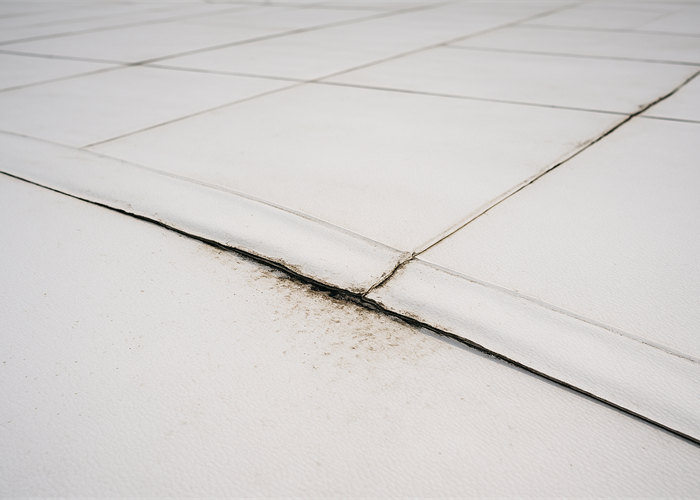
TPO (Thermoplastic Polyolefin) roofing has become a popular solution for commercial buildings thanks to its energy efficiency, cost-effectiveness, and ease of installation. However, even the best roofing systems can encounter issues when not properly handled during installation or maintenance.
TPO membranes are particularly vulnerable at seams, under UV exposure, and when subjected to poor workmanship. These issues can lead to significant damage over time if not addressed correctly. Understanding what causes these failures is the first step toward protecting your investment.
For building owners and facility managers, knowing how to detect early signs of trouble and how to avoid common pitfalls can extend the life of a TPO roof significantly.
Problems like seam separation, installation defects, and UV degradation can compromise roof performance, often well before the warranty expires. The good news is that these risks are highly preventable with the right knowledge and proactive care. RN Roofing understands the importance of education, which is why we’re breaking down the most common issues and their prevention strategies.
How Improper Seam Welding Causes Leaks in TPO Roof Systems
Seam integrity is one of the most crucial aspects of a TPO roofing system. The membrane sheets are heat-welded together at their seams to form a watertight barrier.
If this process is executed incorrectly—due to poor temperature control, inadequate pressure, or insufficient overlap—it can result in weak or inconsistent bonds. These compromised seams are highly vulnerable to water infiltration, especially during freeze-thaw cycles or heavy rain, eventually causing leaks and internal building damage.
Poor seam welding is often the result of rushed installations, untrained technicians, or substandard equipment. RN Roofing’s services emphasize the importance of properly calibrated welders and skilled crews trained specifically in thermoplastic roof installations.
Even minor variations in the welding process can cause cold welds or burnt seams, both of which fail under environmental stress. Over time, these failures not only allow moisture intrusion but can also lead to membrane shrinkage and uplift around the seam edges.
To prevent this, contractors should conduct test welds daily and verify seam strength using a probe tool and destructive testing samples. Additionally, third-party quality assurance inspections during installation can help catch seam defects early.
Property owners investing in TPO roofing systems should confirm that their roofing partner follows strict installation protocols backed by manufacturer certifications.
Top Installation Errors That Contribute to TPO Roof Failures
Installation is the single most influential factor in the long-term success of a TPO roof. Common mistakes include improper fastening patterns, overdriven or underdriven screws, and inadequate surface preparation.
These issues reduce membrane attachment strength, create stress points, and result in premature system failure. RN Roofing’s commercial services prioritize comprehensive substrate inspection and strict adherence to installation specs to eliminate such risks before membrane application begins.
Another frequent issue is poor flashing detail work, particularly around penetrations like HVAC curbs, pipes, and skylights. Flashing failures often stem from improper cutting, loose mechanical attachment, or inconsistent welding.
These errors allow water to enter where vertical surfaces meet the field membrane. Sloppy termination bar installations or missing sealants further aggravate the problem. RN Roofing ensures all details follow manufacturer requirements and are tested for watertight integrity prior to project sign-off.
One of the best ways to avoid costly problems is by partnering with a roofer who has proven expertise in commercial roofing systems. Reputable providers of commercial roofing services will not only follow industry standards but also document each phase of the installation to meet warranty and compliance benchmarks. This documentation becomes a critical tool in future maintenance and repairs.
Impact of UV Degradation on TPO Membrane Performance
Although TPO is marketed for its resistance to ultraviolet (UV) radiation, long-term exposure to harsh sunlight can still affect its surface chemistry. Over time, UV rays break down the membrane’s top layer, causing brittleness, chalking, and surface cracking.
These conditions make the membrane more susceptible to impact damage, reduce its flexibility, and decrease its reflectivity, which can diminish the energy efficiency of the building.
UV degradation often shows up first in areas with ponding water, insufficient drainage, or excessive rooftop equipment that creates thermal bridges. The deterioration becomes worse when routine maintenance is overlooked.
While the top layer of a TPO membrane is engineered to be UV resistant, its performance is time-limited without reinforcement through coating or overlays after 15 to 20 years in extreme climates.
Building owners should include periodic visual inspections and material performance testing as part of their preventative maintenance program. Signs like surface chalking, discoloration, or cracking are indicators that UV damage is progressing.
Once the material becomes brittle, its weldability and ability to accept patches or coatings diminish substantially. Proactive action before this stage preserves long-term durability.
Identifying Early Warning Signs of TPO Roof Damage
Early detection is critical to extending the service life of a TPO roof. Common indicators of damage include seam separation, uplifted corners, bubbles or blisters in the membrane, and ponding water. These signs suggest issues such as compromised adhesion, trapped moisture, or poor drainage. RN Roofing stresses the value of bi-annual inspections to catch such problems before they escalate.
Building owners or facility managers can often spot problems with a simple visual scan. Look for discoloration, missing fasteners, membrane punctures from foot traffic or equipment, and failed sealant at terminations. Any indication of standing water or slow-draining areas should be flagged for closer inspection, as these are likely to develop into leak points over time.
Use of infrared scans and moisture surveys can also reveal subsurface problems invisible to the naked eye. TPO roofs often conceal issues beneath the membrane surface that only become visible when the damage has advanced significantly. Prompt identification allows for small roof repairs to be made at a fraction of the cost of major restorations or replacements.
Best Practices for Extending the Life of a TPO Roofing System
Preventive maintenance is the most effective strategy for maximizing the lifespan of a TPO roof. This includes scheduled inspections, routine cleaning, minor repairs, and the addition of protective measures such as walk pads in high-traffic zones. RN Roofing advocates for customized maintenance programs that are tailored to the building’s use, location, and environmental conditions.
Routine cleaning removes dirt, debris, and biological growth that can cause surface wear and hinder drainage. Addressing minor issues like loose flashings or clogged scuppers during these cleanings can prevent larger system failures. Roofs should also be checked after major weather events for punctures, seam issues, or material uplift. Early action protects against costly repairs and downtime.
Owners should keep records of all inspections and service work to maintain warranty compliance. Working with a roofing contractor that offers proactive care programs helps streamline this process. If you’d like to discuss tailored maintenance strategies or set up a regular inspection schedule, RN Roofing in Long Lake, MN, is a trusted resource for long-term roof management.
Why Partner with RN Roofing for Long-Term TPO Roof Performance
Managing a TPO roofing system requires more than a one-time installation—it demands expert craftsmanship, consistent maintenance, and a proactive approach to identifying risks.
RN Roofing brings decades of commercial roofing experience to every project, helping clients avoid common pitfalls such as poor seam welding, installation errors, and UV degradation. With customized inspections and data-driven diagnostics, their team ensures your system remains durable, watertight, and code-compliant throughout its lifecycle.
From spotting the earliest signs of wear to implementing targeted preventative measures, RN Roofing equips building owners with the tools and knowledge needed to extend roof lifespan and protect capital investments. Whether you need flashing repairs, surface inspections, or routine seasonal maintenance, their commercial service teams are trained in TPO-specific solutions that deliver measurable results.
RN Roofing proudly serves the local Twin Cities community with professionalism and precision. To schedule an on-site consultation or speak with a roofing expert, call 952-334-3702 or request a free estimate. Protect your property today with solutions tailored to the unique demands of TPO roofing systems.