How Does Minnesota Weather Impact Commercial Roofing System Performance?
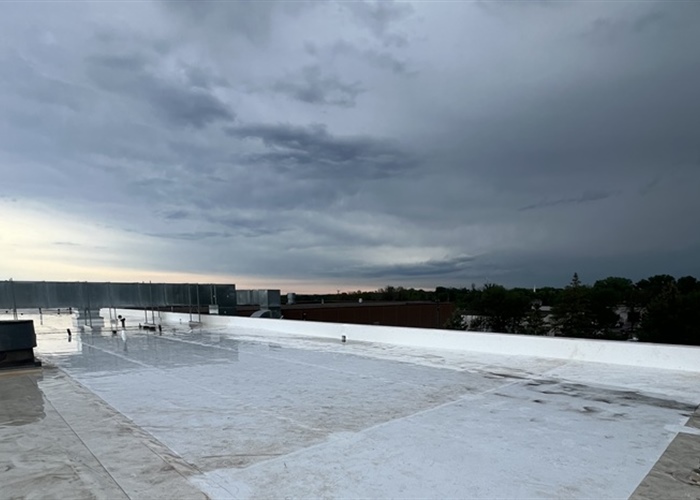
Minnesota’s climate presents one of the most demanding environments for commercial roofing systems in the United States. From subzero winter temperatures to humid summers and severe storm activity, roofing materials are exposed to constant stress throughout the year. These conditions directly affect how roofing systems expand, contract, shed water, and maintain structural integrity over time. For property owners and facility managers, understanding how seasonal extremes influence performance is critical to protecting long-term building investments and avoiding costly roof repairs.
In regions like the Twin Cities, where weather patterns can shift rapidly, even well-designed systems must account for factors such as freeze-thaw cycles, heavy snow loads, and storm-related damage. As RN Roofing has demonstrated through its work in Minnesota, material selection, installation timing, and system design all play a role in how a roof performs under these conditions. This article explores key weather-related challenges, including freeze-thaw stress, snow accumulation, ice dam formation, temperature swings, and storm damage. Each section provides a deeper look at how these forces impact commercial roofing systems and what that means for long-term durability and performance.
How Freeze-Thaw Cycles Cause Expansion, Contraction, and Roofing System Damage
Minnesota experiences frequent freeze-thaw cycles, particularly during late fall, winter thaws, and early spring. These cycles occur when daytime temperatures rise above freezing and drop again overnight. Roofing materials absorb moisture from precipitation or condensation, and when that moisture freezes, it expands. This expansion places internal stress on membranes, seams, and underlying substrates. Over time, repeated expansion and contraction weaken material integrity, leading to microfractures that can grow into visible cracks.
Flat and low-slope commercial roofs are especially vulnerable because water tends to linger on the surface longer than on steep-slope systems. Even minor ponding increases the likelihood of moisture infiltration into seams or insulation layers. As freezing occurs, trapped moisture expands beneath the membrane, creating pressure that can cause blistering or separation. This process is not always immediately visible, which makes early-stage damage difficult to detect without routine inspection.
Material composition plays a significant role in how systems respond to these cycles. Flexible membranes like EPDM can tolerate some movement, while more rigid systems may become brittle under prolonged cold exposure. According to performance observations in Minnesota climates, consistent thermal cycling accelerates aging and reduces the lifespan of roofing assemblies. This is one reason why properly engineered commercial roofing systems must account for regional temperature patterns during both design and installation phases.
How Snow Load Creates Structural Stress on Commercial Roofing Systems
Heavy snowfall is a defining characteristic of Minnesota winters, and it introduces significant structural considerations for commercial roofs. Snow accumulation adds continuous weight across the roof surface, and when combined with ice or drifting patterns caused by wind, the load can become uneven. This uneven distribution creates stress points that may exceed the roof’s design capacity if not properly accounted for during construction.
The weight of snow varies depending on its moisture content. Wet, compacted snow is substantially heavier than dry, powdery snow, and repeated snowfalls without adequate melting periods can lead to cumulative loading. In extreme cases, this can result in deflection of structural components, sagging roof sections, or even partial collapse. Engineering standards in cold climates factor in these loads, but aging structures or poorly maintained roofs may still be at risk.
Drainage systems also play a critical role under snow load conditions. When drains are blocked by ice or debris, melting snow has nowhere to go, increasing both weight and the risk of water infiltration. As documented in Minnesota-based roofing performance data, prolonged snow cover can delay drying cycles and contribute to long-term moisture retention within the roofing assembly, which further compounds structural stress over time.
How Ice Dams Lead to Water Intrusion and Hidden Roofing Damage
Ice dams form when heat escaping from a building melts snow on the upper portions of a roof, allowing water to flow downward toward colder edges where it refreezes. This creates a ridge of ice along the roof perimeter, which prevents proper drainage. As additional snow melts, water becomes trapped behind the dam and begins to pool on the roof surface.
This standing water can work its way beneath roofing materials, particularly at seams, flashing details, and penetrations. Once water infiltrates the system, it can saturate insulation, degrade adhesives, and compromise the structural deck. Because this process often occurs beneath the membrane, damage may remain undetected until leaks appear inside the building.
Ice dam formation is closely tied to insulation performance and ventilation within the building envelope. Temperature inconsistencies across the roof surface create the conditions necessary for repeated melting and refreezing. In Minnesota climates, this cycle can persist for extended periods, increasing the likelihood of cumulative damage. Over time, repeated intrusion events weaken system components and reduce overall roof reliability.
How Extreme Temperature Swings Affect Roofing Membrane Performance
Minnesota is known for rapid and wide temperature fluctuations, sometimes shifting dozens of degrees within a single day. These swings place significant stress on roofing membranes such as TPO, EPDM, and PVC. Each material responds differently to thermal movement, and performance depends heavily on its ability to remain flexible under cold conditions while resisting expansion during heat exposure.
When temperatures drop, some membranes can become less flexible and more prone to cracking, especially if they have aged or experienced UV degradation. Conversely, high temperatures cause materials to expand, placing stress on seams and fasteners. Repeated cycles of expansion and contraction increase the likelihood of seam fatigue, which is one of the most common points of failure in commercial roofing systems.
Installation timing is also influenced by temperature. Adhesives, sealants, and welds used in membrane systems often require specific temperature ranges to achieve proper bonding. As observed in Twin Cities roofing practices, cold-weather installations can lead to incomplete adhesion if materials are not handled correctly. This reinforces the importance of accounting for seasonal conditions when planning roofing work in climates with extreme variability.
How Wind, Hail, and Severe Storms Damage Commercial Roofing Systems
Severe weather events are common in Minnesota, particularly during spring and summer months. High winds can create uplift forces that stress roofing systems, especially along edges, corners, and transitions. If attachment methods or materials are compromised, sections of the roof may loosen or detach, exposing the underlying structure to further damage.
Hail presents a different type of threat by causing direct impact damage. Depending on size and velocity, hailstones can puncture membranes, fracture protective coatings, or create surface indentations that weaken the system over time. Even when punctures are not immediately visible, repeated impacts can reduce material integrity and increase susceptibility to future failure.
Storm systems often combine wind, rain, and debris, compounding their effects on roofing assemblies. Flying debris can cause mechanical damage, while heavy rainfall tests the roof’s drainage capacity under stress conditions. Over time, repeated exposure to these events accelerates wear and reduces the service life of the system. In regions like Minnesota, where severe storms are a regular occurrence, roofing systems must be designed and maintained with these forces in mind.
Protecting Your Commercial Roof from Minnesota’s Harsh Weather Conditions
Commercial roofing systems in Minnesota face a unique combination of environmental stressors that require careful planning, high-quality materials, and consistent maintenance. Freeze-thaw cycles, snow accumulation, ice dams, temperature swings, and severe storms all contribute to wear that can shorten a roof’s lifespan if not properly addressed. Understanding how these factors impact performance is the first step toward preventing long-term damage and maintaining building integrity.
RN Roofing works with property owners and facility managers to address these exact challenges. With extensive experience in Minnesota’s climate, their team understands how material selection, system design, and installation timing influence performance. Whether dealing with membrane stress from temperature changes or structural concerns related to snow load, having a knowledgeable contractor involved helps reduce risk and improve long-term outcomes.
Routine inspections, preventative maintenance, and timely repairs are key to managing weather-related damage. Identifying early signs of cracking, seam separation, or water intrusion can prevent larger structural issues. For property owners looking to better understand how their roofing system is performing under Minnesota conditions, professional evaluation provides valuable insight into both current condition and future risk.
If you are evaluating your roof’s performance or planning a project, you can contact us to connect with RN Roofing at 952-334-3702. Their team provides detailed assessments and solutions tailored to Minnesota’s demanding climate, helping ensure your commercial roofing system performs reliably year after year.