How Twin Cities Weather Impacts Commercial Roof Replacement Timing
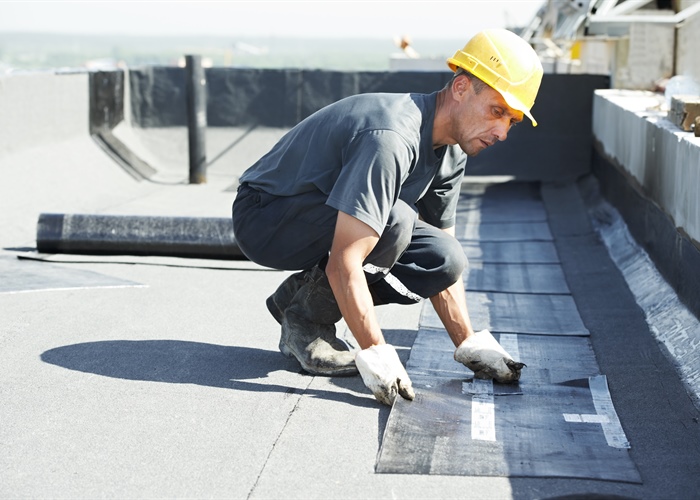
The timing of a commercial roof replacement in the Twin Cities is closely tied to Minnesota's notoriously unpredictable weather. With temperatures swinging from deep-freeze winters to humid, stormy summers, property managers and business owners must carefully plan their roofing projects around the seasons.
Scheduling a roof replacement is never just about convenience—it’s about understanding how weather affects materials, safety, and long-term performance. In the Twin Cities, it’s not uncommon to have snow in April or sudden heat waves in early May, each creating unique challenges for commercial roofers and project timelines.
Planning a successful commercial roofing project starts with choosing the right time of year. But that’s just the beginning. What happens if you need a roof replacement in January? How does a sudden summer thunderstorm impact installation or materials? What precautions are contractors taking during storm season? Most importantly, how are unpredictable delays managed without throwing off your entire project plan?
This article will answer all of those questions and more. We’ll break down the best months for commercial roofing in Minnesota, discuss how winter installations are safely executed, examine how moisture affects roofing adhesives, review the safety protocols for storm season roofing, and explain how weather delays are built into the schedule.
Whether you're managing a large commercial facility or a small business property, understanding these weather-related impacts will help you make informed decisions and protect your investment.
We’ll also connect these insights to professional roof replacement services offered by trusted Twin Cities contractors like RN Roofing.
Best Months for Commercial Roofing Projects in Minnesota
In Minnesota, the optimal months for commercial roofing projects span from late April through early October. This window offers the most stable weather patterns, warmer temperatures, and longer daylight hours—ideal conditions for safe and efficient roofing work.
During these months, crews can rely on more predictable scheduling, and material performance is at its peak, particularly for membrane systems, adhesives, and sealants that require specific temperature thresholds to cure properly.
Roofing materials such as EPDM, TPO, and modified bitumen respond best to temperatures consistently above 50°F. Cold weather can compromise adhesion, cause material brittleness, and slow down project timelines due to equipment malfunctions or safety hazards.
Starting a roof replacement during late spring or early summer helps avoid disruptions caused by early spring rains or fall’s first freeze, ensuring installation teams can complete projects on schedule with minimal weather-related delays.
For this reason, commercial property owners are encouraged to plan their roof replacement projects well in advance—preferably during the winter or early spring months—so contractors can schedule installation during peak weather conditions in Minnesota.
Winter Roof Replacements: Are They Safe & Practical?
While not ideal, roof replacements can be safely performed during winter in Minnesota under the right conditions and with experienced crews. Specialized tools and processes are used to overcome challenges like ice accumulation, frozen substrates, and reduced material flexibility.
For example, heat welding systems can be used in place of cold-applied adhesives, and temporary enclosures can be constructed to keep roofing materials at proper application temperatures.
Winter installations are more common in urgent cases such as storm damage or structural failure, where waiting for warmer months isn’t feasible. Safety measures are paramount: crews must navigate slick surfaces, manage ice buildup, and deal with shortened daylight hours.
Experienced contractors schedule work during the warmest parts of the day, utilize thermal blankets to keep materials pliable, and implement strict site safety protocols.
While weather limitations increase labor time and material handling complexity, skilled contractors like those offering commercial roofing services can still deliver quality winter installations using modified workflows, proper equipment, and careful planning.
How Humidity & Rain Affect Roofing Adhesives
Humidity and precipitation pose significant challenges for commercial roofing adhesives. Most adhesives used in flat and low-slope roofing—such as contact cements, asphalt-based mastics, and cold-process adhesives—require dry conditions for effective bonding.
Excess moisture on the substrate or within the atmosphere can compromise the adhesive’s chemical reaction, leading to poor adhesion, blistering, or even complete failure of membrane bonding.
High humidity can delay curing times, especially for solvent-based products, resulting in extended project durations or the need to reschedule parts of the installation.
Rain, in particular, can saturate roof decking and insulation layers, trapping moisture beneath membranes and increasing the risk of long-term water damage or mold growth if not properly dried. This is why contractors use moisture detection equipment before applying new membranes, especially after storms or high-humidity days.
In response, professional roofing crews monitor dew points, track radar forecasts, and only proceed with adhesive application when surface and atmospheric moisture levels meet product specifications. This helps ensure the durability and performance of the commercial roofing system, even during Minnesota’s muggy summer days or rainy spring months.
Storm Season Roofing Precautions & Safety Measures
Storm season in Minnesota, typically from May through September, brings intense rain, wind, and occasional hail. Roofing crews must be prepared to halt operations at a moment’s notice to protect workers and materials.
One of the most important precautions is securing open roof areas and staging zones to prevent water intrusion or wind damage. Contractors use tarping, reinforced edging, and temporary weatherproofing methods to protect exposed areas from incoming storms.
Weather monitoring is constant during active roofing projects. Crews track real-time radar and wind speed forecasts and will often stop work hours before a storm’s arrival to allow for proper site prep.
Lightning protocols, wind thresholds, and rain interruption plans are built into the daily workflow, ensuring safety is prioritized. Additionally, materials that can be affected by wind uplift or water saturation are stored in protected zones to prevent damage before installation.
Working with contractors familiar with Minnesota’s storm patterns ensures appropriate decisions are made during unpredictable weather. These proactive safety measures not only protect the job site but also maintain the structural integrity of the roofing system throughout the installation process.
Accounting for Weather Delays in Roofing Project Timelines
Weather delays are a standard consideration in commercial roofing project timelines, especially in regions like the Twin Cities, where seasonal variability is extreme.
Reputable roofing contractors proactively build weather buffers into the scheduling phase, often accounting for an additional 10%–20% of the total project time to accommodate weather disruptions. These buffers allow for reallocation of labor and resources without compromising quality or safety.
During the pre-construction phase, roofing companies analyze historical weather data and incorporate likely weather delays into their Gantt charts and construction calendars. This planning process helps stakeholders set realistic expectations for project duration.
Critical path activities are prioritized during optimal weather windows, while non-weather-sensitive tasks are scheduled during potential downtime periods to maintain workflow continuity.
Communication is key. Project managers provide regular updates regarding weather impacts and make real-time schedule adjustments as needed. Choosing experienced Twin Cities roofers like RN Roofing ensures that even when weather interrupts progress, the project stays on track through transparent coordination and responsive planning.
Work with a Minnesota Commercial Roofing Expert
Weather in the Twin Cities isn’t just unpredictable—it’s a defining factor in every commercial roofing project. RN Roofing understands the weather challenges better than anyone, which is why their process is tailored to Minnesota’s extreme climate conditions.
Whether you're planning a project for peak summer months, facing an unexpected winter emergency, or navigating the complications of storm season, RN Roofing provides the knowledge and resources to adapt in real time.
RN Roofing has built a reputation for high-performance roofing systems backed by meticulous planning and site execution. To discuss your next commercial roof replacement, inspection, or preventative service, give us a call at 952-334-3702 or request a free estimate today. The RN Roofing team is ready to help you prepare for whatever Minnesota’s skies have in store.