Is Built-Up Roofing a Good Fit For Flat or Low-Slope Roofs?
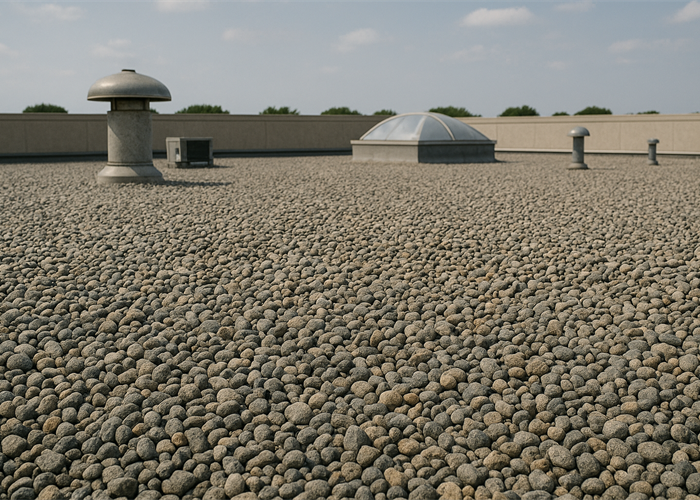
Flat and low-slope roofs present unique challenges that demand durable, time-tested solutions. Among the most proven options in commercial roofing, built-up roofing (BUR) stands out for its layered protection, longevity, and excellent performance under demanding conditions.
Whether it’s a commercial warehouse or a municipal structure, many property owners and facility managers consider BUR systems a go-to option for flat or nearly flat roofs. But does its reputation hold up under scrutiny, and is it always the right choice?
When assessing whether a built-up roofing system fits your building, it's essential to consider more than just material quality. The slope of your roof, climate-related drainage concerns, green roof compatibility, and building classification can all impact BUR effectiveness. In this article, RN Roofing explores these factors to help you understand how BUR systems align with flat and low-slope applications.
Ideal Roof Slopes for Built-Up Roofing Systems
Built-up roofing (BUR) systems are best suited for flat and low-slope roof applications, typically those with a slope of ¼:12 (approximately 2%) or greater. This slope ensures minimal standing water, which enhances the roof's longevity and performance.
The layered construction of BUR—consisting of alternating layers of bitumen and reinforcing fabrics—relies on this slight pitch to channel water efficiently while maintaining surface durability. While BUR is traditionally installed on nearly flat structures, having this minimum slope is critical to prevent degradation caused by prolonged moisture exposure.
BUR's heavy, multi-layered nature also provides superior resilience to environmental factors like UV radiation and thermal cycling, making it ideal for commercial and industrial structures that experience intense exposure.
However, steeper slopes beyond 3:12 are generally discouraged for BUR, as the materials are not designed to combat gravitational flow the way shingles or metal systems are. The asphaltic composition can shift or slump on steep inclines, compromising watertight integrity.
For most commercial buildings in the Midwest, especially in regions like the Twin Cities, a roof pitch of ¼:12 to ½:12 paired with proper drainage elements offers optimal performance. A qualified contractor like RN Roofing evaluates structural load capacity and drainage paths before recommending built-up roofing solutions to ensure effective water management and system stability.
The Impact of Ponding Water on BUR System Performance
Ponding water—defined as standing water that remains on a roof surface for more than 48 hours after rainfall—can significantly affect the performance and life span of a BUR system. While BUR is designed to be water-resistant, long-term exposure to pooled water accelerates the deterioration of bitumen and can lead to membrane blistering, surface cracking, and even core delamination.
The added weight of ponded water also stresses structural components, especially on older buildings with weakened substrates.
Additionally, ponding encourages microbial and vegetation growth, which breaks down surface granules and undermines the integrity of protective layers. Over time, this can compromise the reflective coatings often applied over BUR, reducing energy efficiency and increasing maintenance requirements.
It's not uncommon to find isolated leaks or seam separation in areas where ponding persists, especially during freeze-thaw cycles prevalent in northern climates like Minnesota’s.
Effective roof design incorporates slight slopes and internal or perimeter drainage systems to mitigate this issue. When paired with professional commercial roofing services like those offered by RN Roofing, strategic planning ensures ponding is addressed during initial installation or maintenance cycles. Design adjustments such as tapered insulation or added drains can extend a BUR system’s life and performance.
Slope Requirements: Public vs. Private Buildings in BUR Applications
Yes, slope requirements can differ between public and private buildings, largely due to building codes, occupancy classifications, and risk tolerance. Public buildings—such as schools, government offices, and transportation hubs—are often subject to stricter regulations enforced by agencies like the International Building Code (IBC) or local municipalities.
These codes typically mandate a minimum slope of ¼:12 for low-slope roofs, which aligns with best practices for BUR systems to prevent water accumulation and structural stress.
Private commercial buildings, while still bound by regional building codes, may have slightly more flexibility in slope design depending on intended use and maintenance capacity.
For example, a warehouse with low foot traffic and a dedicated maintenance crew may operate with slopes closer to 1/8:12 if compensatory drainage systems are in place. However, this can introduce long-term liability if drainage systems fail or maintenance lapses.
The risk profile of a building dictates not only slope selection but also the type of roof system used. BUR is more tolerant of slight deviations in slope than many single-ply systems, but it still requires informed design choices. Consultation with a licensed roofing contractor and code inspector ensures compliance and performance regardless of building type.
Compatibility of BUR Systems with Green Roof Overlays
Built-up roofing systems can be effectively integrated with green roof overlays, but they require specific considerations during design and installation.
The layered, reinforced nature of BUR provides a strong foundation for green roofing assemblies, especially when high-compression cover boards and root barriers are incorporated. The asphalt-based layers are inherently waterproof and resist root intrusion when properly detailed, making BUR a solid base for vegetative roof systems.
However, weight and water retention factors must be carefully addressed. Green roofs—particularly extensive and intensive systems—add substantial load to a building, often exceeding 20 pounds per square foot when saturated.
BUR assemblies need to be installed over structurally reinforced substrates, with careful attention to drainage pathways to prevent hydrostatic pressure. Waterproofing redundancies, such as additional bituminous plies or protective membranes, are common in these hybrid systems.
Thermal insulation and vapor control are also essential in this application. Moisture trapped between layers can compromise roof performance if not vented or drained effectively. While BUR’s proven durability and resistance make it a viable choice, only experienced teams with knowledge of roofing and horticultural engineering should undertake such integrations to ensure performance over decades.
Get Trusted Expertise for BUR Systems with RN Roofing
When it comes to flat and low-slope roofs, RN Roofing is your experienced partner for durable and expertly engineered solutions. Whether you're managing a government facility, a commercial warehouse, or planning a green roofing project, our knowledge of slope-specific BUR applications ensures your investment is protected.
At RN Roofing, we understand how slope variations influence performance—whether you're mitigating ponding risks, complying with public-sector building codes, or developing sustainable green roofs.
Our team applies advanced planning to every project, using tailored drainage designs, code-compliant installations, and proven multi-layer systems that have served commercial clients across the Twin Cities and beyond. With decades of field experience and a commitment to craftsmanship, we specialize in solutions that are built to last.
If you're considering a free estimate for a built-up roofing project or simply need expert advice about slope requirements, our team is ready to help. Contact RN Roofing at 952-334-3702. You can also reach out by contacting us online to start planning your next commercial roofing project with confidence.