What Is the Best Commercial Roofing System for Long-Term ROI?
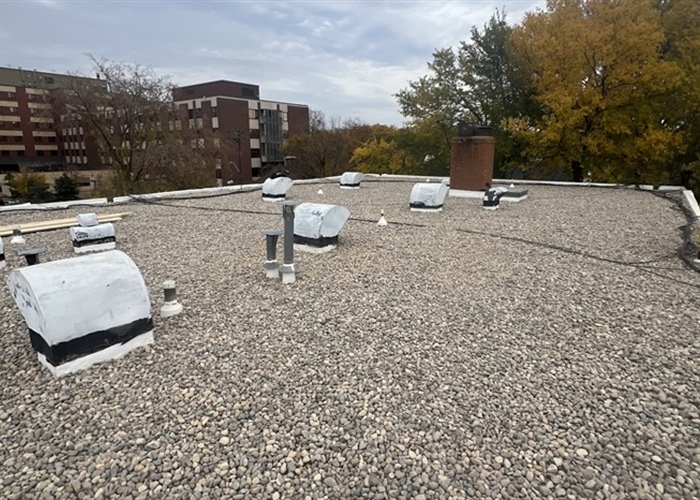
Choosing the right commercial roofing system is a financial decision that affects a building’s performance for decades. Property owners and facility managers are not just selecting materials—they are evaluating long-term value, operational efficiency, and total cost of ownership. The best roofing system for long-term ROI balances upfront investment with durability, energy savings, and maintenance requirements. Companies like RN Roofing emphasize that understanding how these variables interact is critical when planning for sustained building performance and cost control.
From material selection to climate considerations, every factor influences how well a roof performs over time. Whether evaluating commercial roofing systems like TPO, EPDM, or metal, decision-makers must weigh performance data, lifecycle costs, and environmental conditions. In the sections below, we’ll break down the key factors that impact ROI, compare leading roofing systems, examine energy efficiency benefits, analyze maintenance costs, and explore how regional climates influence long-term performance.
Key Factors That Impact Commercial Roofing ROI Over Time
The return on investment of a commercial roofing system is determined by several measurable factors, each contributing to total lifecycle value. Lifespan is one of the most critical variables. Roofing systems such as metal and PVC often exceed 30 years when properly installed, while others like modified bitumen may require replacement sooner. A longer service life spreads initial costs over more years, reducing annualized expense and improving ROI.
Maintenance requirements also directly affect financial performance. Systems that require frequent inspections, seam repairs, or surface treatments increase operational costs over time. Preventative maintenance programs, often highlighted in commercial roofing service strategies, are proven to extend roof life and reduce emergency repairs. Lower maintenance frequency translates to predictable budgeting and fewer disruptions to business operations.
Energy efficiency and installation cost must also be evaluated together. Reflective roofing membranes such as TPO and PVC reduce heat absorption, lowering cooling costs in warmer months. While some systems may have higher upfront installation costs due to labor or material complexity, their durability and efficiency often offset those expenses over time. For a deeper understanding of system performance and installation considerations, many property owners explore professional commercial roofing solutions to compare long-term outcomes.
Comparing Popular Commercial Roofing Systems for Performance and Longevity
Thermoplastic polyolefin (TPO) roofing is widely used due to its balance of cost, reflectivity, and durability. It offers strong resistance to UV radiation and chemical exposure, making it suitable for a wide range of commercial applications. Ethylene propylene diene monomer (EPDM), a synthetic rubber system, is valued for its flexibility and performance in colder climates, where temperature fluctuations can stress more rigid materials.
Polyvinyl chloride (PVC) roofing systems provide superior chemical resistance and long-term seam strength through heat-welded installation. These characteristics make PVC a preferred option for facilities exposed to grease, oils, or industrial byproducts. Metal roofing systems, on the other hand, deliver exceptional longevity and structural durability, often lasting several decades with minimal degradation when properly maintained.
Modified bitumen systems remain a common choice for low-slope roofs due to their layered construction and proven waterproofing capabilities. Each system carries unique cost and performance profiles, requiring careful evaluation based on building use, environmental exposure, and expected lifespan. Selecting the right material depends on aligning these characteristics with long-term financial goals and operational requirements.
How Energy Efficiency Drives Long-Term Roofing Cost Savings
Energy efficiency is a measurable contributor to roofing ROI, particularly in commercial buildings with high heating and cooling demands. Reflective membranes such as TPO and PVC reduce solar heat gain by reflecting ultraviolet and infrared radiation. This decreases the load on HVAC systems, resulting in lower energy consumption and reduced utility costs over time.
Insulation quality plays an equally important role. High-performance insulation systems improve thermal resistance, stabilizing indoor temperatures and minimizing energy loss. Properly installed insulation beneath the roofing membrane can significantly enhance the overall energy profile of a building, especially in climates with extreme seasonal variations.
Cool roofing systems are specifically designed to maximize reflectivity and emissivity, allowing buildings to release absorbed heat more efficiently. Studies consistently show that these systems can reduce rooftop temperatures by dozens of degrees, which directly translates into energy savings. Over the lifespan of the roof, these reductions contribute to a stronger financial return and improved building efficiency.
Maintenance, Repairs, and Lifecycle Costs in Commercial Roofing
Lifecycle cost analysis goes beyond initial installation expenses and includes ongoing maintenance, repair frequency, and eventual replacement. Roofing systems with frequent repair needs—such as seam failures or membrane punctures—can accumulate significant costs over time. Regular inspections and preventative maintenance reduce these risks by identifying issues early before they escalate.
Repair complexity also affects total cost of ownership. Systems with simple repair processes, such as EPDM patching or TPO heat welding, allow for faster and more cost-effective fixes. In contrast, systems requiring extensive tear-offs or specialized materials can increase both labor and downtime expenses. The ability to perform targeted repairs without disrupting operations is a key advantage in many modern roofing systems.
Preventative maintenance programs are widely recognized for extending roof lifespan and improving ROI. Scheduled inspections, debris removal, and minor repairs help preserve system integrity and delay major capital expenditures. Over time, these practices reduce the likelihood of premature failure and provide more predictable financial planning for property owners.
Climate Considerations and Roofing Performance in Cold Regions
Regional climate conditions play a decisive role in determining roofing system performance and long-term ROI. In colder climates, such as those found in Minnesota, roofing systems must withstand snow accumulation, freeze-thaw cycles, and prolonged exposure to low temperatures. Materials like EPDM are particularly well-suited for these environments due to their flexibility and resistance to cracking.
Temperature fluctuations can cause expansion and contraction, placing stress on seams and fasteners. Roofing systems with strong seam integrity, such as heat-welded TPO and PVC, are better equipped to handle these conditions. Snow load is another critical factor, requiring structural support and drainage systems designed to prevent excessive weight buildup and water intrusion.
Ultraviolet exposure and seasonal weather changes also impact material degradation. Prolonged UV exposure can weaken certain membranes over time, while ice dams and standing water increase the risk of leaks. Selecting a roofing system that aligns with regional climate demands ensures consistent performance and helps maximize long-term return on investment.
Choosing the right commercial roofing system requires a detailed understanding of lifespan, energy efficiency, maintenance demands, and environmental performance. RN Roofing works with property owners to evaluate these factors and recommend solutions that align with long-term financial goals. From system selection to installation and ongoing maintenance, their team focuses on delivering durable, cost-effective roofing systems designed for sustained performance.
RN Roofing provides comprehensive commercial roofing services tailored to the unique challenges of Minnesota’s climate. Their expertise includes system comparisons, preventative maintenance programs, and energy-efficient roofing solutions that help reduce operational costs over time.
To discuss your project or evaluate your current roof’s performance, contact RN Roofing at 952-334-3702 or visit their contact us page to get started with a consultation.